Goal Setting Frameworks That Actually Work
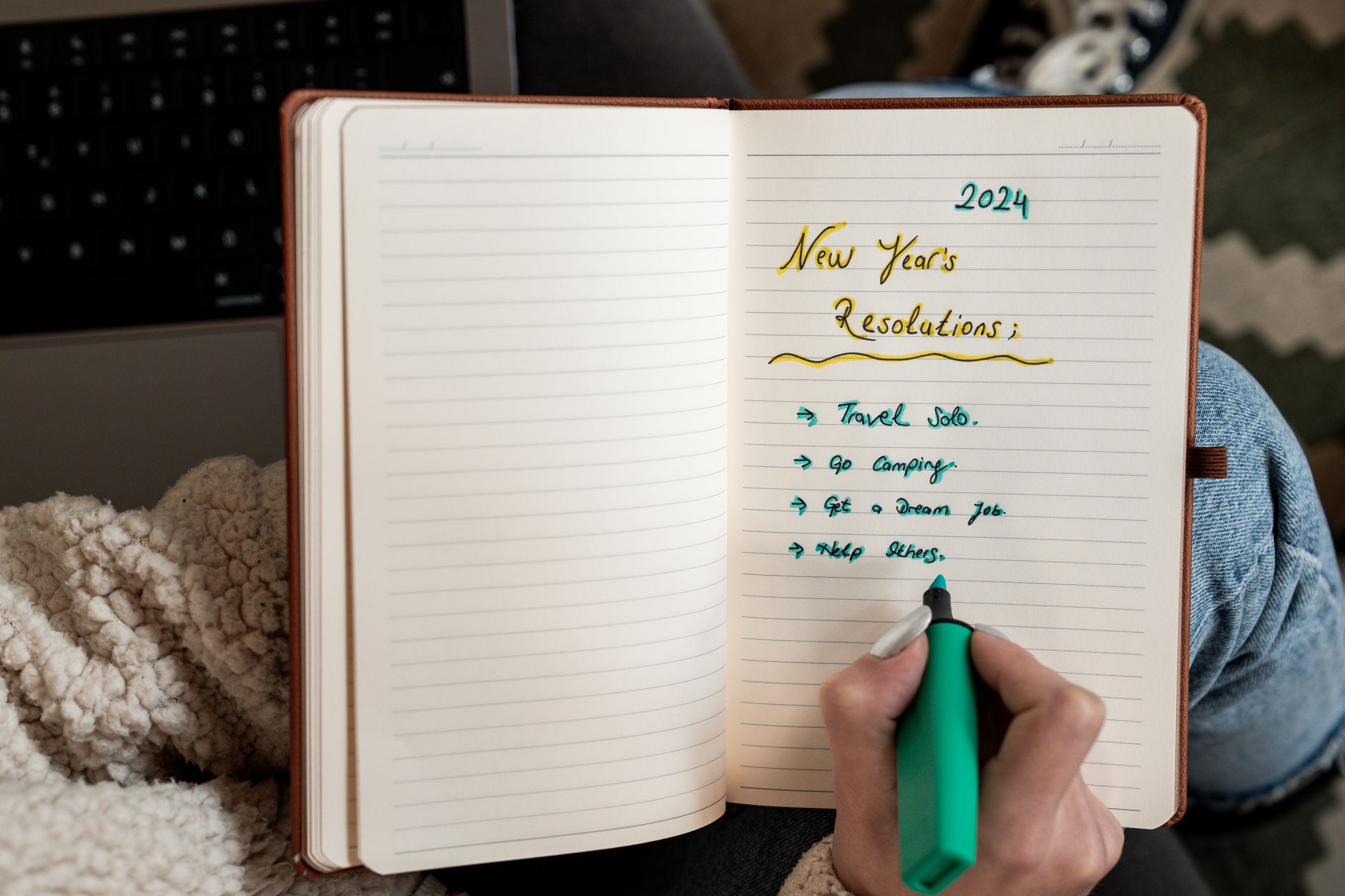
You set a goal. You felt motivated. But two weeks in, you forgot about it. Sound familiar?
The problem isn't you. It's that most people wing it when it comes to goal setting. They say "I want to lose 10 pounds" or "I want to save more money" without any real framework to guide them. That's like trying to build a house without a blueprint.
Why Most Goals Fail
Before we talk about what works, let's understand why goals typically fall apart:
- They're too vague. "Get fit" means different things to different people, and it's impossible to measure progress.
- They're too ambitious. Setting a goal that requires a complete life overhaul rarely sticks beyond the first month.
- There's no system to track them. Out of sight, out of mind. You set the goal, then never think about it again.
- They lack accountability. Without a way to check in on progress, motivation fades.
The good news? Using a proven goal-setting framework fixes all of these issues.
The SMART Framework: The Foundation
SMART is the most widely used goal-setting framework, and for good reason. It ensures your goals are clear and measurable:
- Specific: Instead of "get healthier," say "run three times a week for 30 minutes."
- Measurable: Track progress with real numbers. 10 pounds, $500, 15 pages written.
- Achievable: Be ambitious, but realistic. If you've never run before, training for a marathon in 4 weeks isn't achievable.
- Relevant: Does the goal actually matter to you, or are you chasing someone else's dream?
- Time-bound: "Lose 10 pounds by June 30th" is more motivating than "lose 10 pounds someday."
SMART works because it forces you to be honest about what you actually want and whether it's possible.
OKRs: Goals with Superpowers
OKRs (Objectives and Key Results) were invented at Intel and popularized by Google. They separate the "what" (objective) from the "how much" (key results):
Objective: The qualitative goal. It's inspiring and directional. Example: "Become a stronger runner."
Key Results: The measurable outcomes that prove you've achieved the objective. Example:
- Run a 5K in under 25 minutes (was 30 minutes)
- Complete 3 runs per week for 12 weeks
- Improve resting heart rate by 5 bpm
OKRs force you to think about what "done" actually looks like. Instead of chasing a vague objective, you're aiming for three concrete, measurable wins.
The Habit Stacking Approach: Make Goals Automatic
This method ties new goals to existing habits. If you already brush your teeth every morning, you might pair it with a 2-minute meditation or 10 push-ups.
Why does this work? You're not adding yet another thing to remember. You're attaching it to something you already do on autopilot.
Formula: "After [existing habit], I will [new goal]."
Example: "After I pour my morning coffee, I'll write down three things I want to accomplish today."
Putting It Together: A Real Example
Let's say your goal is to improve your fitness. Here's how you'd approach it with these frameworks combined:
Objective (OKR): Build consistent workout habits.
Key Results:
- Complete 3 workouts per week for 12 weeks
- Increase squat max by 20 pounds
- Do 5 pull-ups (up from 0)
SMART specificity: Monday, Wednesday, Friday at 6 AM for 45 minutes. Strength training focused on compound lifts.
Habit stacking: After my morning coffee, I pack my gym bag the night before. After dinner, I lay out my workout clothes.
Now you have a system, not just a wish.
The Missing Ingredient: Tracking and Accountability
Here's where most people stumble: they set a great goal and then... nothing. They don't track it. They don't review it. They forget it exists.
Pick a tracking method that's frictionless. Some people use a spreadsheet. Some use a notebook. Some use a simple app. The best tool is the one you'll actually use every day.
If you want to track your progress without downloading another app, you can log your workouts, check-ins, or results right in WhatsApp. Just text your personal assistant and it'll keep a record, send you reminders on schedule, and help you see patterns over time.
The key is consistency. Review your progress weekly or monthly. Celebrate the wins. Adjust what isn't working. Stay connected to the goal.
Start Small, Think Big
You don't need to rebuild your entire life tomorrow. Pick one goal using the frameworks above. Make it specific. Track it. Check in on it. Build momentum.
Once you prove to yourself that you can set and achieve a goal with a system, the next one gets easier.