Why Most Habit Tracking Apps Get Abandoned (And What Actually Works)
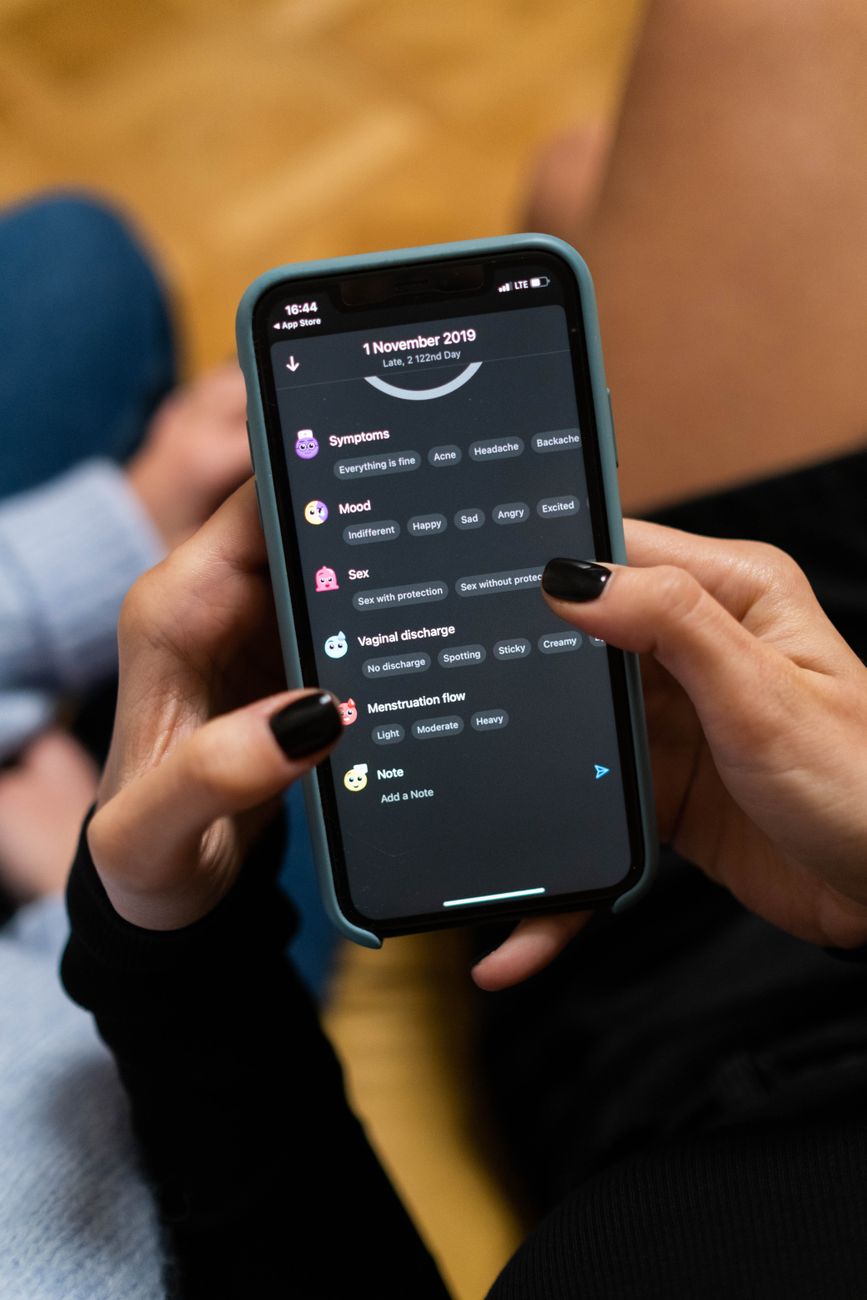
You downloaded it on a Monday. Full of motivation. You set up your habits — drink water, meditate, exercise, read before bed. The app looked beautiful. The streak counter was satisfying. By Thursday, you forgot to log. By the following Monday, the app was buried three screens deep on your phone. Sound familiar?
You're not alone. Industry data consistently shows that most mobile apps lose around 77% of their daily active users within the first three days after install. Habit trackers are no exception — in fact, the irony of a habit tracker is that using it consistently is itself a habit you need to build.
The Real Reason Habit Trackers Fail
It's not a willpower problem. It's a friction problem.
Every standalone habit tracking app asks you to do the same thing: leave whatever you're doing, open a separate app, navigate to the right screen, tap buttons, and close it. That might sound trivial, but behavioral science tells us that even tiny amounts of friction can kill a habit before it forms. The more steps between you and the action, the less likely you'll do it.
Think about the apps you actually use every day — WhatsApp, Telegram, iMessage. You open them dozens of times without thinking. There's zero friction because they're already part of your routine. Now compare that to opening a dedicated habit tracker. It's a completely separate workflow that competes for your attention alongside every other app notification on your phone.
The Notification Trap
Most habit apps try to solve the consistency problem with notifications. "Don't forget to log your water intake!" "You haven't checked in today!" But here's what happens: after a few days of these reminders, your brain starts treating them like spam. You swipe them away without thinking. The notification that was supposed to help you build a habit becomes just another ping you ignore.
There's also the guilt factor. Miss a day and your streak resets. The app that was supposed to motivate you now makes you feel bad. So you avoid opening it altogether. Classic avoidance behavior — and the exact opposite of what a habit tool should create.
What Actually Works: Reducing Steps to Zero
The most effective habit tracking method is the one that fits into something you already do. That's why some people swear by paper journals — they keep one on their nightstand and it takes five seconds. No app to open, no login, no loading screen.
But paper has its own limitations: you can't set reminders, you can't analyze trends, and you can't carry your nightstand journal everywhere. The sweet spot is something that combines the simplicity of paper with the intelligence of software — without adding another app to your home screen.
This is where chat-based tracking is gaining traction. Instead of opening a separate app, you send a text message in the messaging app you already use all day. "Drank 3 glasses of water." "Did 30 minutes of cardio." "Meditated for 10 minutes." No buttons, no navigation, no streak counters staring you down judgmentally.
Chat-Based Tracking in Practice
The idea is simple: what if your habit tracker lived inside WhatsApp or Telegram? You text it like you'd text a friend. "Log 2000 calories today." Done. "Remind me to stretch every morning at 7am." Set. No new interface to learn, no separate app competing for your attention.
Tools like Rafic work exactly this way. It's an AI assistant that lives in your WhatsApp or Telegram. You tell it what you want to track — workouts, water, calories, sleep, anything — and it creates a custom tracker on the spot. From that point on, you just text your entries like you're messaging a friend. It even saves things proactively when it recognizes you're sharing something worth tracking.
The advantage isn't just convenience. It's that you remove the single biggest barrier to consistency: having to context-switch into a separate app. Your messaging app is already open. The conversation is already there. Logging a habit becomes as easy as sending a text — because that's literally what it is.
Making It Stick: Three Principles
Whether you use a chat-based tool, a paper journal, or even a spreadsheet, the research on habit formation points to three things that matter most:
- Reduce friction ruthlessly. Every extra tap, swipe, or screen between you and the action makes it less likely to happen. Pick the method with the fewest steps.
- Attach it to an existing routine. Don't create a new behavior from scratch — piggyback on something you already do. If you check WhatsApp every morning, that's your cue to log yesterday's habits.
- Forget streaks, focus on frequency. Missing one day doesn't erase your progress. The best systems don't punish you for being human. They just make it easy to pick back up.
The Bottom Line
The graveyard of abandoned habit tracking apps isn't a failure of willpower. It's a design problem. We keep building sophisticated apps that require their own habit to use — and that's a losing strategy for most people.
The tools that actually stick are the ones that disappear into your existing routine. Whether that's a notebook on your desk, a spreadsheet you already have open, or an AI assistant in the messaging app you use fifty times a day — the best tracker is the one you'll actually use tomorrow.
If you want to try the chat-based approach, give Rafic a shot on WhatsApp. No download, no signup form, no onboarding tutorial. Just send a message and start tracking.